

AI Demand, Professional Use, and the New Reality of GPU Pricing in 2026
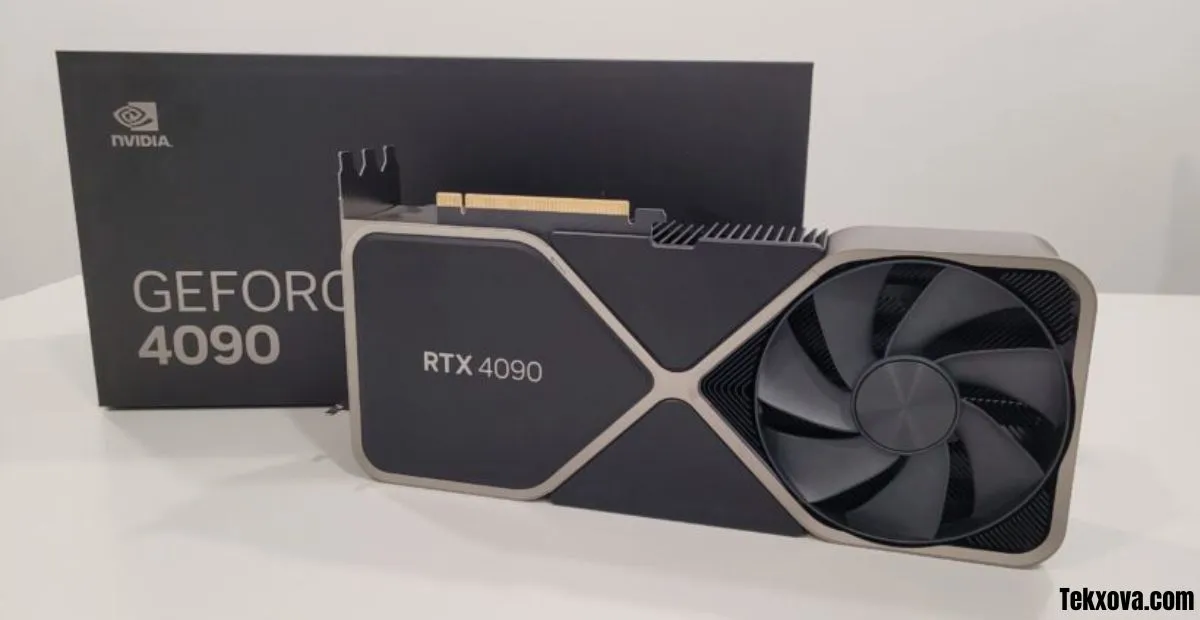
The RTX 4090 is not just expensive. It is confusingly expensive.
When NVIDIA launched the RTX 4090, many gamers expected prices to fall after the initial hype. That never happened. Even in 2026, long after launch, the RTX 4090 still sells far above what people consider “normal” for a consumer graphics card.
This is not an accident. It is also not simple price gouging.
The real reason sits at the intersection of AI workloads, professional demand, manufacturing limits, and market psychology. Gaming alone no longer defines GPU pricing, and the RTX 4090 proves that shift better than any card before it.
Let’s break it down properly.
RTX 4090 Is Not Just a Gaming GPU Anymore
For years, GPU prices depended mainly on gamers. That era is over.
A surprisingly large share of RTX 4090 buyers are AI developers, researchers, and professional studios. These users run inference, train small-to-mid models, fine-tune LLMs, and accelerate production workflows. NVIDIA itself has openly positioned Ada Lovelace GPUs as compute-capable products, not just gaming hardware.
This professional demand creates a price floor that gaming demand alone never could.
Gamers might wait for discounts. AI professionals do not.
AI Workloads Changed GPU Economics Forever
AI workloads love three things: VRAM, CUDA cores, and memory bandwidth.
The RTX 4090 delivers all three in consumer form.
With 24GB of GDDR6X memory, strong FP16/FP32 performance, and mature CUDA support, the RTX 4090 handles many AI inference and fine-tuning tasks efficiently. For small labs and startups, it often costs less than enterprise GPUs while delivering usable performance.
That makes it incredibly attractive.
Reuters and The Verge have repeatedly reported that AI demand is pulling GPUs out of the gaming supply chain, especially high-end models. The RTX 4090 sits right in that crossfire.
When professionals compete with gamers, prices stop behaving like gaming prices.
Professional Studios Quietly Drive Demand
Game developers, VFX artists, architects, and simulation teams also buy RTX 4090s.
Why? Because time equals money.
Rendering scenes faster, previewing complex assets, and accelerating ray-traced workflows save hours per project. Studios often justify the RTX 4090’s price by productivity gains alone.
A gamer asks, “Is it worth it?”
A studio asks, “How fast can we ship?”
Those are very different questions, and NVIDIA knows it.
NVIDIA’s Product Positioning Is Very Intentional
NVIDIA no longer treats the RTX 4090 as a normal flagship.
Look at the pattern:
- No true price drops
- Limited replacement at the same tier
- Clear separation between RTX 4090 and lower SKUs
This mirrors NVIDIA’s data-center strategy. The company has learned that high-performance compute products retain value when supply stays controlled.
NVIDIA’s earnings calls and public financial statements confirm one thing: AI and professional compute now drive revenue growth. Gaming still matters, but it no longer sets pricing power at the top.
The RTX 4090 benefits from that shift.
Manufacturing Costs Are Real and Non-Negotiable
The RTX 4090 uses TSMC’s advanced manufacturing nodes, which cost significantly more than older processes.
Wafer prices at TSMC have risen over time due to:
- Extreme lithography complexity
- Energy costs
- Capacity competition from AI accelerators
NVIDIA does not fabricate its own chips. It pays for premium production, and those costs pass downstream.
AnandTech and Semiconductor Industry Association reports consistently show that leading-edge nodes do not get cheaper quickly. The RTX 4090 sits firmly in that expensive zone.
There is no magical cost reduction waiting behind the curtain.
Supply Is Limited by Design, Not Accident
People often assume shortages happen accidentally. That assumption fails here.
NVIDIA carefully balances supply across gaming, workstation, and data-center segments. The RTX 4090 shares silicon class DNA with compute products that earn NVIDIA far more money.
Every chip allocated to a consumer GPU represents an opportunity cost.
That does not mean NVIDIA “hates gamers.” It means the company optimizes margins like any public corporation. Limited supply keeps prices firm, especially when demand stays strong.
Export Controls Added Fuel to the Fire
Export restrictions on high-performance GPUs reshaped global availability.
While the RTX 4090 is not a data-center accelerator, it falls close enough to compute thresholds that it became part of the conversation. Regulatory uncertainty tightened distribution in some regions and increased resale activity elsewhere.
This effect pushed prices upward in secondary markets and reinforced the perception that the RTX 4090 is a “scarce” asset.
Scarcity and high demand never mix well for buyers.
Resale Value Changed Buyer Behavior
Here’s a strange truth: expensive GPUs can sell better because they hold value.
Many buyers justify the RTX 4090 by pointing to resale stability. Compared to previous flagships, depreciation has been slower. AI demand plays a major role here.
When people believe a product will retain value, they tolerate higher entry prices. That belief becomes self-reinforcing.
Yes, it sounds irrational. Markets often are.
Gaming Alone Cannot Pull Prices Down
Traditional GPU pricing cycles depended on gamers upgrading every few years. That model assumed demand would drop after early adopters finished buying.
AI broke that cycle.
Even when gaming demand cools, AI and professional buyers keep absorbing supply. That prevents the usual late-cycle discounts gamers expect.
In simple terms:
Gamers are no longer the loudest voice in the room.
RTX 4090 vs Enterprise GPUs: The Awkward Middle Child
The RTX 4090 sits in a unique space.
It costs far less than enterprise GPUs, yet delivers enough compute for many real workloads. That makes it attractive to people who cannot justify data-center pricing but still need serious performance.
This positioning creates pressure from above and below:
- Too powerful to price like a gaming card
- Too cheap to ignore for professionals
That tension holds prices up.
Humor Break: The “Just for Gaming” Myth
Calling the RTX 4090 “just a gaming GPU” in 2026 is like calling a Formula 1 car “just a vehicle.”
Technically true. Practically hilarious.
Why Prices Stay High Even in 2026
Let’s summarize the real reasons clearly:
- AI inference and fine-tuning demand remains strong
- Professional studios justify high prices through productivity
- NVIDIA controls supply strategically
- Manufacturing costs stay elevated
- Resale value reduces buyer resistance
- Gaming no longer dominates demand
None of these factors disappear overnight.
That’s why the RTX 4090 stays expensive long after launch.
Will RTX 4090 Prices Ever Drop Meaningfully?
Prices may soften, but a dramatic collapse looks unlikely.
As long as AI workloads remain profitable and accessible on consumer GPUs, high-end cards will behave more like tools than toys. Tools do not follow gaming discount cycles.
Future architectures may replace the RTX 4090, but the pricing logic it introduced will remain.
That is the real legacy of this GPU.
Final Verdict: The RTX 4090 Is Expensive for Logical Reasons
The RTX 4090 is not overpriced because of hype. It is expensive because the market fundamentally changed.
AI developers, researchers, and professional creators now compete directly with gamers. That competition creates a higher price floor than the gaming world was prepared for.
If you view the RTX 4090 as a gaming product, the price feels absurd.
If you view it as a compute tool, the price suddenly makes sense.
And that shift explains everything.
Trusted Sources Referenced
- NVIDIA official architecture and product briefings
- Reuters coverage on AI-driven GPU demand
- The Verge reporting on GPU supply and pricing
- AnandTech technical analysis of Ada Lovelace
- Semiconductor Industry Association manufacturing insights

Tahir Ahmed is a digital strategist and writer who believes that technology is most powerful when paired with the right mindset. His journey began with a fascination for how gadgets work, but it quickly evolved into an appreciation for how a single quote can change a person’s perspective.